In Under a Day, We Set Three World Records in Protein Design
A two-person team I led ranked ten candidates in the 2026 EGFR/cetuximab binder optimization competition. All ten bound in the lab, and the one we ranked first proved to be the tightest binder measured.
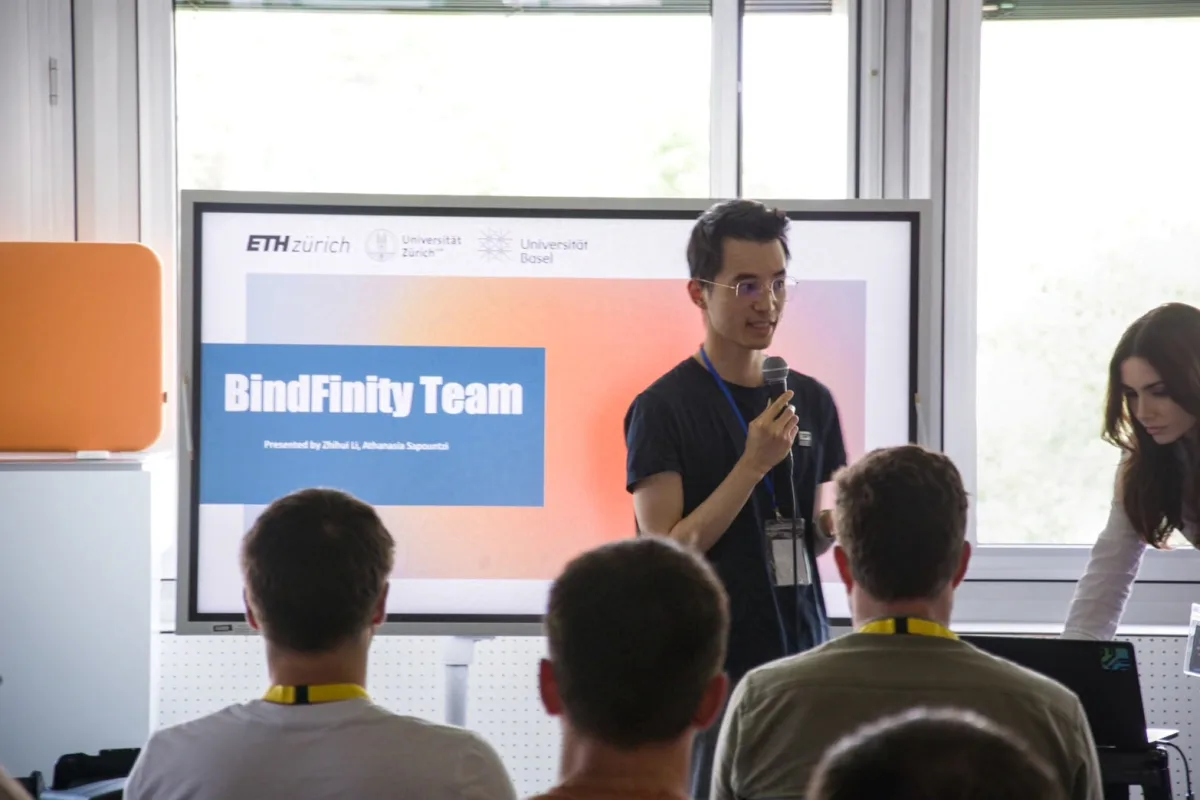
One year into my master's at ETH Zürich, the ground shifted in the field of protein design. AI had crossed from chatbots to key enablers that give you superpowers. My lab supervisor put it plainly: a decade ago, the idea of a student designing a working protein would have been laughed out of the room. By 2026, two of us could do it in a day.
We proved it at the 2026 EGFR/cetuximab binder optimization competition. In under a day, a two-person team I led set the world's best result: 43.9x tighter than the approved drug. All ten of our designs bound in the lab, three of our designs exceeded the previous world record, and the candidate we ranked first proved to be the tightest binder measured. That's the best public result I'm aware of as of mid-July 2026.
The secret? Not a bigger model, a better harness on it. Frontier models hand researchers powerful horses, but domain expertise is the harness that steers them. While most teams ranked their candidates on AlphaFold confidence scores like ipTM and ipSAE, we carefully curated a list of metrics that track how a protein actually binds, and let the wet lab settle it. A good ranking pipeline is almost as magical as peeking into the future and returning with lessons to avoid an expensive clinical trial failure.
Today I'm building Interlit, an AI protein design company, to help biotech and pharmaceutical teams push protein design's frontier.
Novelty, quality, privacy, curiosity: the principles I work by, and the ones built into Interlit.
Our mission is to unlock protein design's new frontiers with AI.